
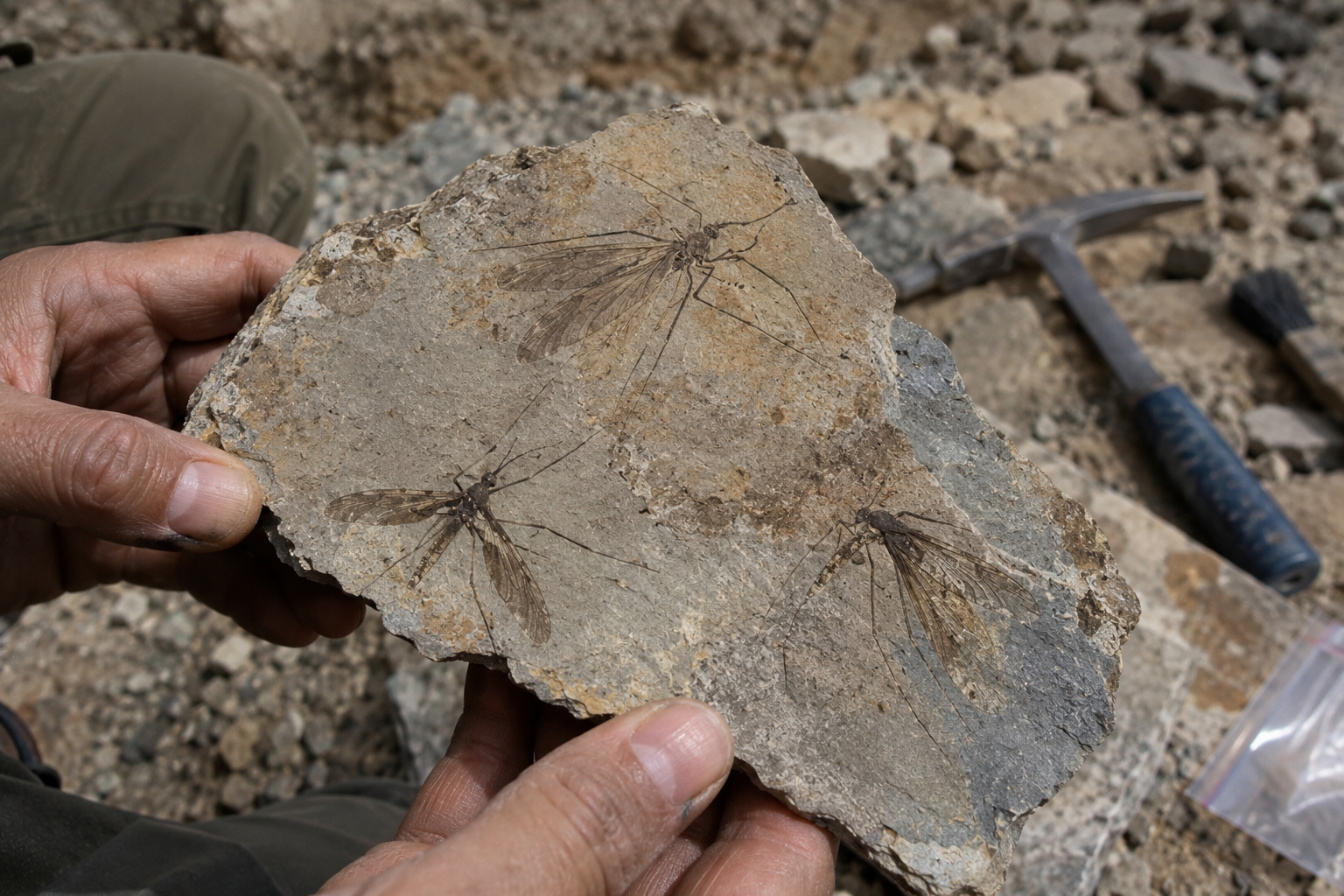
Российские исследователи в Забайкалье нашли окаменелые остатки комаров и стрекоз, обитавших на Земле более 100 млн лет назад. Об этом сообщили в Институте нефтегазовой геологии и геофизики СО РАН, информирует «МИР24».
В ходе экспедиции ученым удалось собрать уникальную коллекцию древних насекомых: комаров, стрекоз и поденок, останки рыб, моллюсков и растений. Изучив находки, они смогут точнее определить их возраст и видовую принадлежность, сделать выводы о том, в каких условиях формировался разрез Байса и каким был климат в этой части Забайкалья миллионы лет назад. В разрезе встречаются карбонатные отложения, которые обычно свойственны сухому и теплому климату. Хотя Байса — самая северная точка из всех, ранее изученных в Забайкалье, ученым предстоит разрешить и этот парадокс.
Последние новости


При полном или частичном использовании материалов ссылка на официальный сайт lesgazeta.by обязательна
Лауреат национального конкурса печатных СМИ "Золотая Литера" 2014, 2016 гг.


Мы в соц. сетях
Поддержка и продвижение сайта:
Sparkit
Sparkit







© 2025. Все права защищены.