

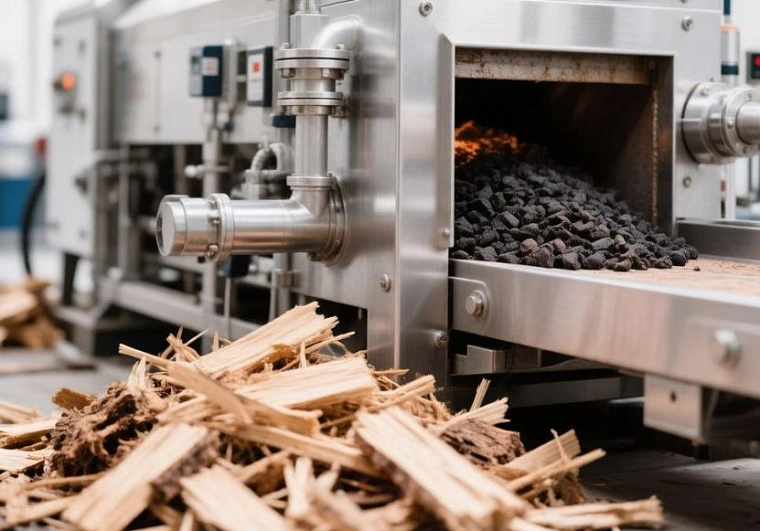
Ежегодно в лесной промышленности образуются миллионы тонн отходов: опилок, коры, щепы. Обычно их сжигают или закапывают. В Красноярске (РФ) предложили другой вариант — перерабатывать неликвидную древесину в активированный уголь. Разработкой занялись в университете Решетнева, здесь создали модельную установку — вертикальный реактор, разделенный на четыре зоны: пиролиз, прокалка, активация и охлаждение. Ключевое отличие от традиционных технологий — совмещение процессов пиролиза (термического разложения) и активации в одном аппарате. Это снижает энергозатраты на 30—40 %, а сам процесс становится экологичнее. Следующий шаг — опытная установка, которая будет выдавать активированный уголь для испытаний на реальных сточных водах предприятий.
Последние новости


При полном или частичном использовании материалов ссылка на официальный сайт lesgazeta.by обязательна
Лауреат национального конкурса печатных СМИ "Золотая Литера" 2014, 2016 гг.



Мы в соц. сетях
Поддержка и продвижение сайта:
Sparkit
Sparkit







© 2025. Все права защищены.